Palm Jebel Ali Area Guide: Dubai’s New Ultra-Luxury Waterfront Micro-Market
Palm Jebel Ali is Dubai’s newest mega-island and one of the most talked-about luxury waterfront micro-markets in the world. Twice the size of the Palm Jumeirah, the island spans approximately 13.4 sq. km and will add about 110 km of new coastline. It is designed to accommodate over 35,000 families (close to 240,000 residents) with more than 80 hotels and resorts. It is a core pillar of the Dubai 2040 Urban Master Plan, focused on expanding beachfront living, tourism, and high-end residential communities.
For investors, Palm Jebel Ali is essentially “Palm Jumeirah 2.0” – but at an earlier stage of its growth cycle, with off-plan pricing and long-term upside still in play.
Location & Connectivity
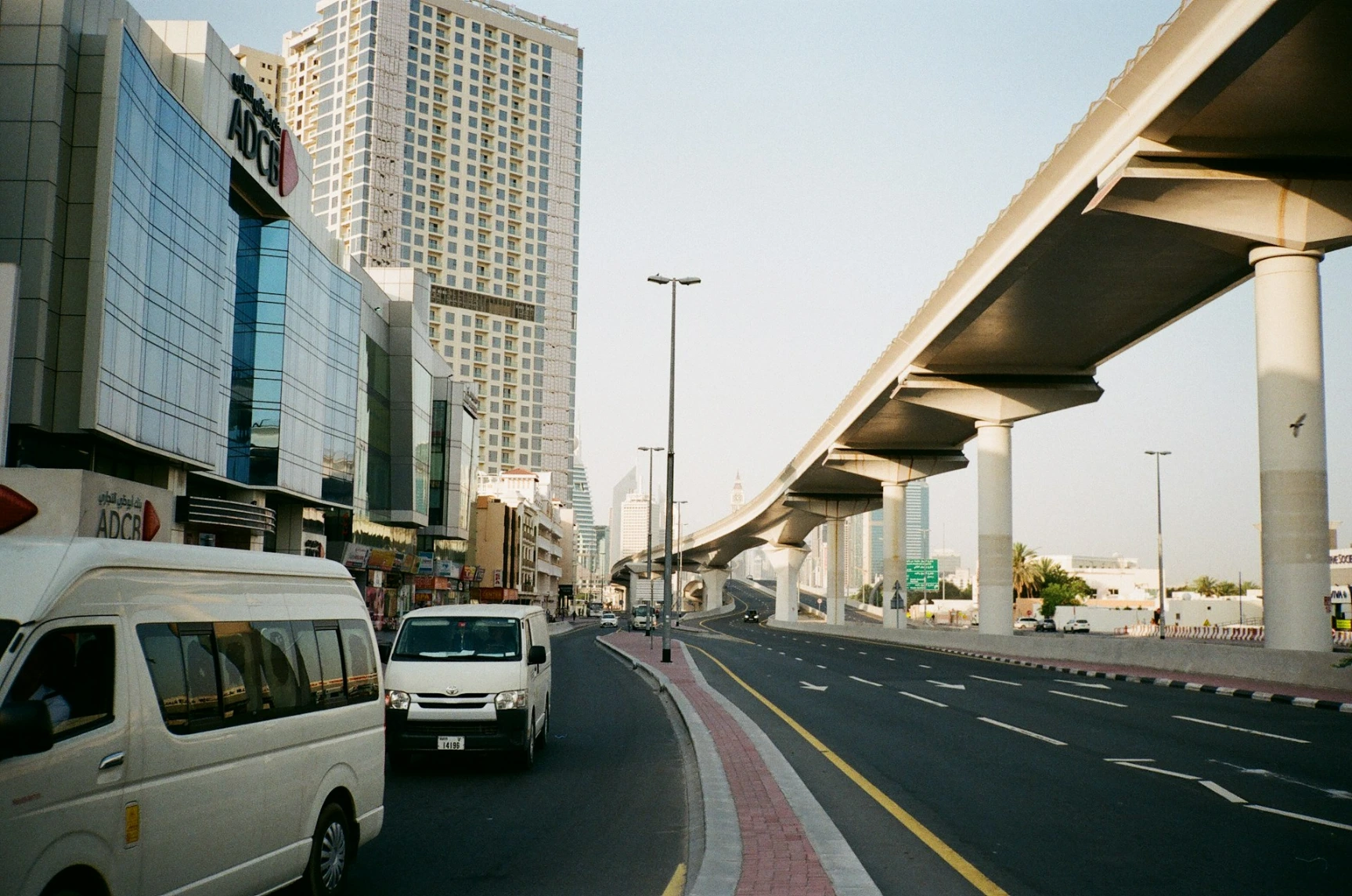
Palm Jebel Ali sits off Dubai’s south-western coastline, just beyond Jebel Ali Port and close to Dubai’s key emerging growth corridor:
Direct access from Sheikh Zayed Road (E11) with new road and bridge infrastructure planned to connect the island to the mainland and the rest of Dubai.
Easy reach to Al Maktoum International Airport (DWC) and Dubai South, where Dubai is developing a new mega-airport terminal designed to handle up to 260 million passengers annually in the future.
Proximity to Jebel Ali Free Zone and Port, Expo City Dubai, and the industrial/logistics belt – all strong employment hubs.
This combination of resort-style living plus real economic hubs nearby is a key differentiator for long-term rental and end-user demand.
Government Vision & Infrastructure Developments
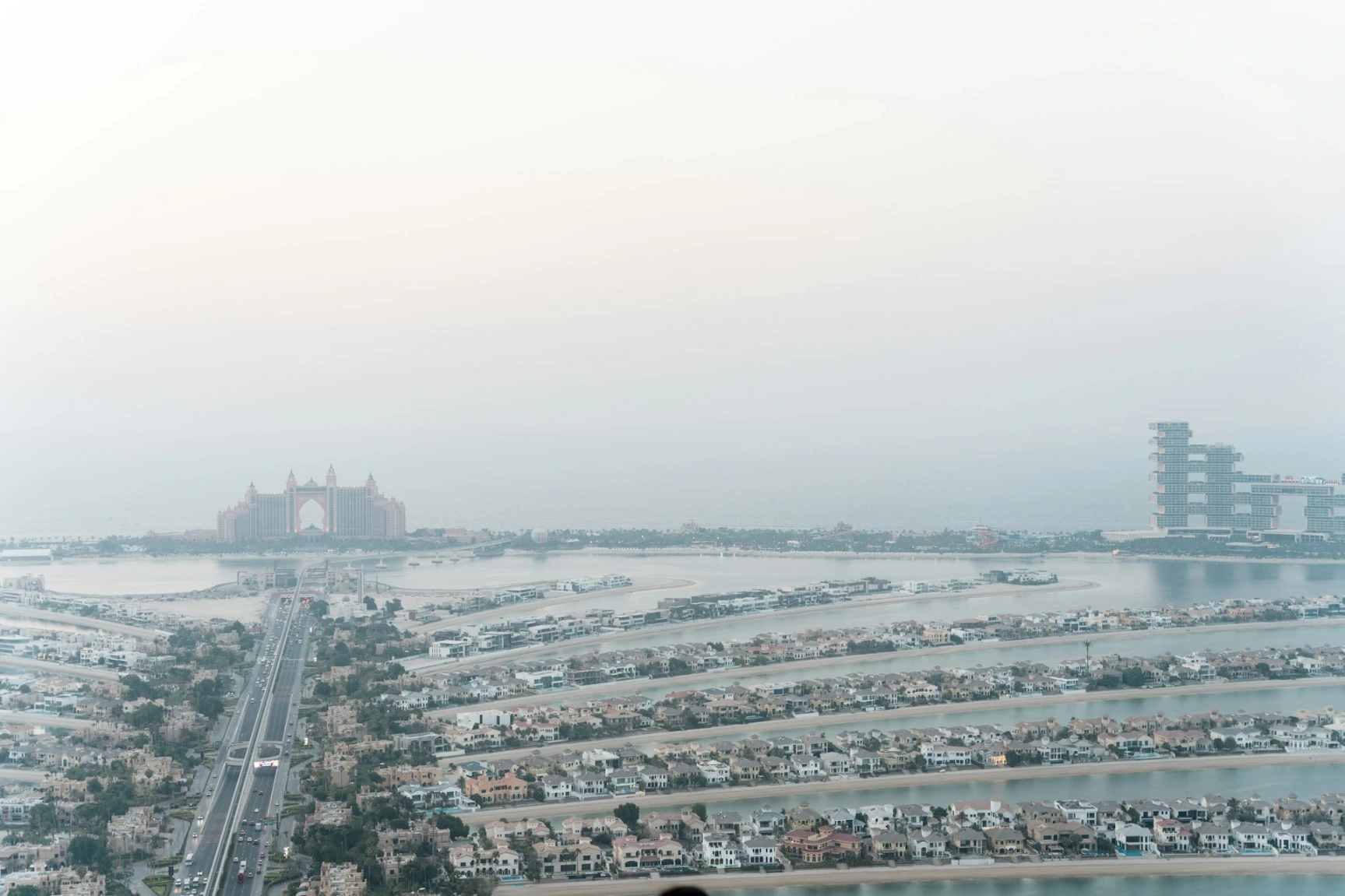
Palm Jebel Ali is not a standalone private project; it is tightly aligned with Dubai’s long-term city-building strategy:
The master plan approved by HH Sheikh Mohammed bin Rashid Al Maktoum in 2023 confirms Palm Jebel Ali as a major plank of the Dubai 2040 Urban Master Plan, adding 110 km of coastline and beachfront homes for 35,000+ families.
The wider Jebel Ali coastal strip is being upgraded with Dubai’s longest public beach at Jebel Ali (around 4 miles / 6.4 km), divided into zones for beach clubs, family facilities, sports, cafes and pools.
Marine works contracts worth hundreds of millions of dollars have been awarded, including a US$200m contract to Jan De Nul for reclamation and breakwater works, underlining long-term commitment to completing and enhancing the island.
Additional infrastructure contracts for roads and utilities have been awarded with completion targeted around 2026, setting the base for first residential handovers between 2027–2029 (depending on the frond and sub-project).
For investors, this direct government backing and active capex pipeline significantly reduces execution risk versus a typical stand-alone project.
Masterplan, Supply Pipeline & Product Mix
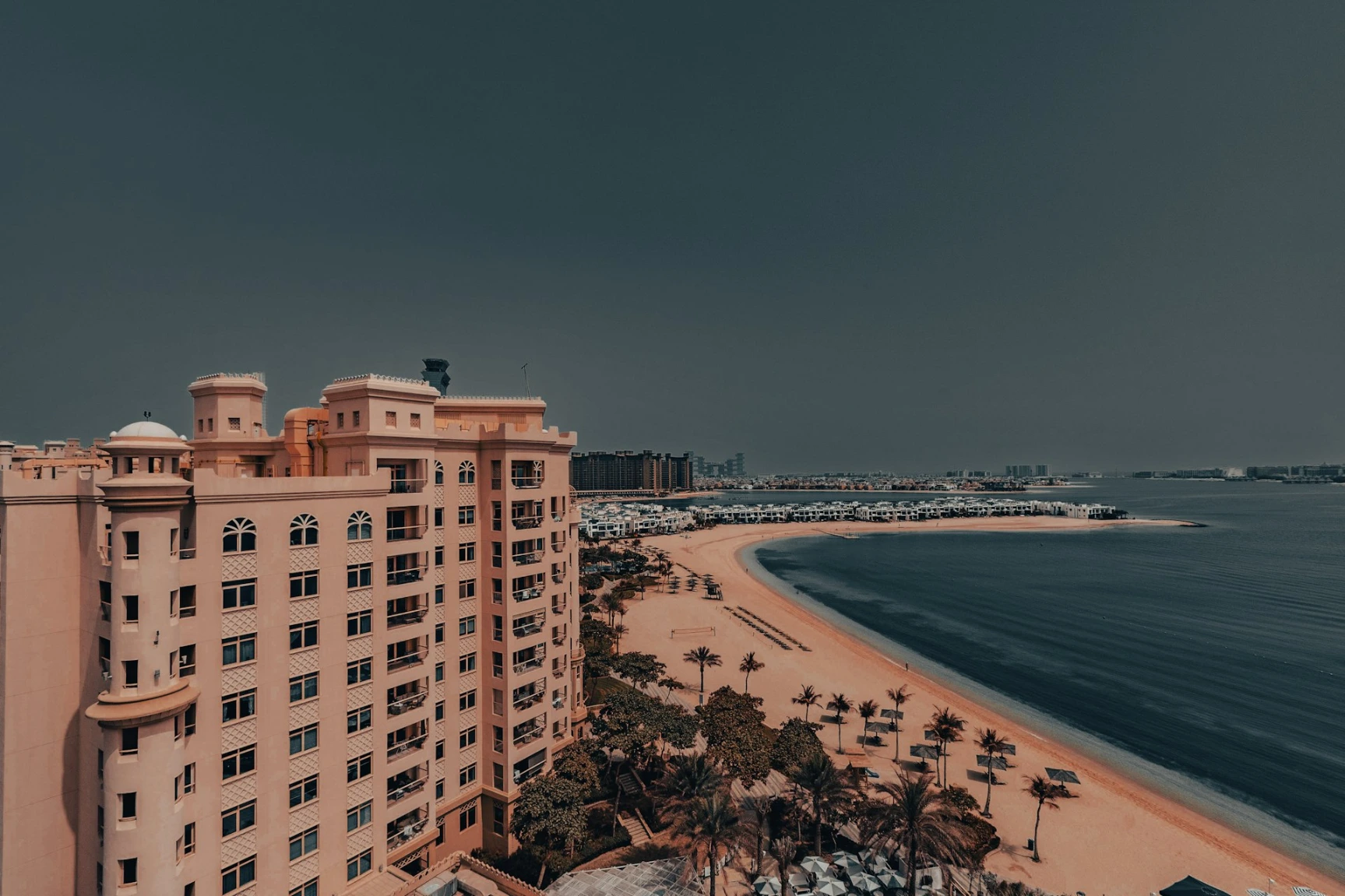
Palm Jebel Ali has been master-planned as a mixed-use ultra-luxury waterfront city:
Scale: 13.4 sq km; 7 islands and 16 fronds with 110 km of coastline and over 90 km of beachfront.
Residential capacity:
Homes for 35,000+ families,
Over 80 hotels & resorts, and a mix of villas, apartments and hotel-serviced residences.
Current announced pipeline (early phases):
Approx. 1,700 villas and 6,000 apartments in initial releases by Nakheel.
Key Residential Products (Launch Phases)
1. Beach Collection Villas
5–6 BR ultra-luxury beachfront villas
BUA roughly 8,000–8,500 sq. ft
Launch prices (Sept 2023): from AED 18 million
Current resale/market (mid-2025): around AED 25 million+, equating to AED 3,000 / sq. ft
2. Coral Collection Villas
6–7 BR super-premium villas
BUA around 11,500–12,000+ sq. ft
Launch: from AED 29 million
Current market: AED 40 million+, with achieved per square foot in the AED 3,550–3,700 / sq. ft range
3. Premium Plots & Future Apartments
Large waterfront plots (22,000–25,000 sq. ft) priced from AED 2,500 / sq. ft, some resales crossing AED 115 million+
In late 2025, Palm Central Private Residences was announced as the first major apartment launch on the island – expected to offer 1–5 BR units at a lower entry ticket than villas, with strong investment positioning but pricing still being rolled out.
Current Price per Square Foot & Recent Growth
Because Palm Jebel Ali is a newly relaunched micro-market, most of the data is from 2023 onwards, but the early numbers are already revealing:
Average Transacted Prices (Last 12 Months)
Based on Dubai Land Department-backed data aggregated by a major portal:
Average sale price: AED 22.2 million
Average price per sq. ft: AED 2,723 / sq. ft
Sales volume: 609 transactions in the last 12 months, with volume up 18.9% – unusually high for such a new project and reflecting strong investor appetite. (Bayut)
Price Growth Since Relaunch
Analyst data tracking Palm Jebel Ali launches shows:
Average psf has grown from around AED 2,578 / sq. ft (Q4 2023) to roughly AED 2,794 / sq. ft (Q2 2024) – about 3–5% growth per quarter.
Early launch buyers (Sept 2023) in the Beach & Coral Collections have already seen around 10–20% appreciation on headline prices.
As of mid-2025, secondary market pricing for villas is clustering around AED 3,000–3,700 / sq. ft, depending on the frond, view, and villa type.
For context, Palm Jumeirah villas have seen ≈292% price growth since January 2020, with transacted averages near AED 5,520 / sq. ft, showing what a mature palm-shaped island can achieve over a cycle. (Knight Frank Content)
Palm Jebel Ali is earlier in its life cycle, so the gap between Palm Jebel Ali and Palm Jumeirah per square foot levels is part of the capital appreciation story that investors are targeting.
Rental Yield Potential: Long-Term & Holiday Homes
Palm Jebel Ali is still in the construction phase, so there is limited “actual” rental data – but forward-looking yield projections are strong:
Independent analyses forecast gross rental yields of 6–8% in the first phases after handover, compared with a 5–6% average across Dubai.
Within the island:
Villas: expected yields around 6.5–8%, driven by ultra-prime positioning, family demand and limited supply.
Apartments: forecast 5.5–7% yields, with strong upside from short-term lets once hotel infrastructure and tourism flows ramp up.
Drivers of rental demand:
Luxury tourism and short-stay visitors are looking for villa-style beachfront stays at a price point below Palm Jumeirah’s ultra-prime numbers.
Senior executives, entrepreneurs, and long-term expats drawn to the Dubai South – Jebel Ali – Expo corridor, especially as Al Maktoum International Airport expands.
The relative scarcity of new freehold beachfront globally, with Dubai positioning itself as a safe-haven, tax-efficient market.
Demand & Supply Dynamics

Demand Side
Several data points underline heavy demand for Palm Jebel Ali:
The first series of villa releases (~700 units) reportedly sold out quickly after launch.
Between January–April 2025, Palm Jebel Ali recorded more than AED 11.3 billion in transactions, outpacing Palm Jumeirah in value and accounting for nearly 19% of all Dubai real estate sales in April 2025.
Transaction data shows steady quarter-on-quarter price growth (3–5%) and rising sales volumes, indicating that the market is absorbing new launches without signs of oversupply at this stage. (Bayut)
Investor interest is driven by:
The “second palm” narrative (those who missed Palm Jumeirah’s early days).
Ticket sizes that are lower than ultra-prime Palm Jumeirah but with a similar brand cachet.
Dubai’s broader macro story – population growth, FDI inflows, and status as a top global millionaire migration destination.
Supply Side
Palm Jebel Ali will eventually host tens of thousands of residential units, plus hotel keys – but these are being rolled out in phased launches over several years.
Infrastructure contracts (marine works, roads, utilities) are already awarded and progressing, meaning that delivery risk is lower than in the early 2000s cycle, but investors must still have a multi-year horizon.
Net-net, Palm Jebel Ali is supply-heavy on paper but supply-limited in timing: inventory is released gradually, and each launch is heavily oversubscribed, keeping effective supply tight in the near to medium term.
Anticipated Price Increase: 5–15 Years View
No one can guarantee returns, but various market analysts and consultants project strong appreciation for early investors:
Some detailed market breakdowns estimate 3–5% price growth per quarter during the early build-out phase (already visible in recent data), translating into roughly 12–20% annualised if momentum persists.
Taking Palm Jumeirah as the benchmark:
20–40% price appreciation by handover (2027–2029) from launch levels,
Potential 100–300%+ long-term upside by 2035–2040, as the community fully matures, similar to Palm Jumeirah’s 15–20 year journey.
These are scenario-based projections, not promises – but they highlight the logic: you are effectively buying into a multi-phase, government-backed, globally branded waterfront city at an early-to-mid stage, before full infrastructure and lifestyle amenities are delivered.
Key Investment Advantages of Palm Jebel Ali
Ultra-Prime Waterfront at a Discount to Palm Jumeirah
Palm Jumeirah villas often trade well above Palm Jebel Ali’s current psf, leaving room for convergence as Palm Jebel Ali matures.
Alignment with Dubai 2040 Master Plan
Long-term government commitment to infrastructure, tourism, and sustainable communities in this corridor.
Early-Cycle Entry
Investors are buying before full completion of roads, resorts, malls and beach clubs – historically, Dubai’s flagship master communities have seen their strongest capital appreciation from launch through early handover cycles.
Strong Rental Yield Forecasts
Projected 6–8% gross yields with double-income potential from a mix of long-term leases and holiday homes once operational.
Lifestyle & Branding
Private beaches, marinas, luxury hotels, branded residences and smart-city sustainability credentials make Palm Jebel Ali a global trophy location for UHNW buyers, not just a local community.
Risks & Considerations for Investors
A serious investor guide should also spell out the risk side clearly:
Execution & Timeline Risk:
While contracts are awarded and work is underway, investors must accept multi-year delivery timelines (first handovers 2027+ and full build-out stretching into the 2030s).
Ticket Size:
Entry level for villas is very high (multi-million dollar). Smaller investors will likely participate via later apartment launches rather than prime frond villas.
Luxury Segment Volatility:
Palm Jebel Ali sits at the very top of Dubai’s price spectrum. Luxury markets can be more sensitive to global macro conditions, interest rates and wealth cycles.
Concentration Risk:
A large allocation to a single luxury waterfront community, even one as strong as Palm Jebel Ali, should be balanced against a broader Dubai (or global) property portfolio.
Who Should Consider Investing in Palm Jebel Ali?
Palm Jebel Ali is best suited for:
Ultra-high-net-worth investors looking for trophy beachfront villas with long-term wealth preservation and capital growth.
Long-term investors (8–15+ years) who understand Dubai’s macro story and are comfortable holding through construction and stabilization.
Yield-focused investors interested in future holiday homes and luxury rentals once the island becomes fully operational.
Benchmarking Against Other Waterfront Communities
To help investors benchmark Palm Jebel Ali’s potential, here’s how it sits against two major waterfront peers: Palm Jumeirah (mature ultra-prime) and Dubai Islands (early-stage emerging).
Snapshot Comparison (2024–2025)
| Micro-market | Stage of Cycle | Typical Product Focus | Approx. Current Avg Price / sq. ft* | Recent Price Growth Indicators | Typical Gross Rental Yield** | Key Investor Story |
|---|---|---|---|---|---|---|
| Palm Jebel Ali | Early / launch–construction | Ultra-luxury villas, plots, upcoming apartments | ~AED 2,700–3,000 for villas/plots (Bayut) | Early villa launches in 2023 have seen ~10–20% uplift in resales by 2024–25 (Hamza Alavi) | Projected: villas 6.5–8%, apartments 5.5–7% (post-handover) (Palm jebel Ali) | Buy into early phase of a government-backed mega-island at a discount to Palm Jumeirah. |
| Palm Jumeirah | Mature / fully operational | Mix of villas, apartments, branded residences | ~AED 5,700–5,800 average; ultra-prime deals above AED 7,300+ psf (reidin.com) | Knight Frank: villa prices up 292% since Jan 2020; average ~AED 5,520 / sq. ft in 2023; further ~9.5% YoY growth into 2024. (Knight Frank Content) | Apartments ~4.5–6.5% (up to 8% on efficient studios), overall around 5–6% avg. (مكتب علاء مهرة) | Proven waterfront blue-chip. Strong historic appreciation + stable, globally recognised trophy location. |
| Dubai Islands | Early / infrastructure + first phases | Beachfront apartments, hotels, some villas | Off-plan apartments around AED 2,162 → 2,340 / sq. ft (16% rise in 6 months to June 2025); typical listings around 2,200–2,400 / sq. ft. (DXB Properties) | Semi-annual jump of 16% in avg off-plan prices; still ~39% cheaper than Palm Jumeirah (3,250 psf benchmark used in that analysis). (DXB Properties) | Rental guides show 6–7.5% for smaller apartments and 7.5–10% gross in some projections as the tourism story builds. (Valorisimo) | Higher-yield, lower-entry-price seafront play with strong tourism angle and upside as infrastructure completes. |
How Have Prices Grown Historically in Palm Jumeirah?
Palm Jumeirah gives the clearest real-world blueprint for what a fully-mature palm-shaped island can do over time.
Long-Term Price Growth
A Knight Frank market review notes that Palm Jumeirah villa prices have risen 292% since January 2020, with transacted prices averaging around AED 5,520 per sq. ft by 2023. Knight Frank Content
A REIDIN/Dubai review for 2024 shows Palm Jumeirah leading Dubai with an average price of AED 5,748 per sq. ft, up 9.5% year-on-year. reidin.com
One sub-community example: Golden Mile apartments on the trunk grew from AED 811 per sq. ft in Q1 2020 to ~AED 1,646 per sq. ft in Q3 2024 – essentially doubling in four years. Dubai Property News
Even more broadly:
City-wide, villa prices are up ~94% since Q1 2020, and overall residential prices are about 55% above Q1 2020 levels, but Palm Jumeirah has dramatically outperformed that. Knight Frank Content
Rental Performance
Palm Jumeirah rental yields for apartments typically sit around 4.5–6.5%, with some efficient studios hitting ~6.5–8%.
Some investor-focused blogs summarise Palm Jumeirah’s average yield at around 6% – high considering the very elevated capital values.
Takeaway: Palm Jumeirah shows how a flagship master community can move from mid-level psf pricing (pre-2020) to 5,000–7,000+ psf within a handful of years when supply tightens, global capital flows intensify, and the location becomes a global status symbol.
How Have Prices Grown in the Dubai Islands?
Dubai Islands is a newer seafront district, but early data is already clear:
Off-plan apartment prices climbed from AED 2,162 / sq. ft to AED 2,340 / sq. ft in just six months to June 2025 – a 16% semi-annual jump. DXB Properties
At that point, Dubai Islands was still ~39% cheaper than Palm Jumeirah (benchmark 3,250 psf used in that analysis), reinforcing its positioning as a “value seafront” alternative. DXB Properties
City-wide apartment averages are around AED 1,500 / sq. ft, so the Dubai Islands already command a premium over the city, but still a discount to prime islands.
On rental yields:
Market guides and early operator data suggest 6–7.5% yields for smaller units, and some analyses estimate 7.5–10% gross in select projects, driven by tourism and mixed-use positioning.
Takeaway: Dubai Islands is behaving like a classic early-cycle beachfront – high yields, rapid off-plan price steps, and a clear discount to mature ultra-prime zones.
What Does This Benchmarking Suggest for Palm Jebel Ali?
If you line up the three islands:
Palm Jumeirah
Has shown triple-digit % capital gains since 2020 and now trades at 5,700–7,000+ AED / sq. ft in many segments. Knight Frank Content+2reidin.com+2
Rental yields are still reasonable (4.5–6.5%) despite very high prices.
Dubai Islands
Has moved ~16% in six months from 2,162 to 2,340 AED / sq. ft, with high yields and a clear runway as infrastructure and hospitality ramp up. DXB Properties+1
Palm Jebel Ali
Is starting at ~2,700–3,000 AED / sq. ft for many villa/plot products, with some prime deals higher, but still significantly below Palm Jumeirah’s averages and even below some mature seafront apartments. Bayut
Already showing 10–20% uplift in early resales, with strong absorption of each new launch.
If Palm Jebel Ali only partially converges towards Palm Jumeirah’s psf levels over the next 8–15 years, the capital upside could be substantial, especially for early buyers who also collect 6–8% gross yields during the holding period.
At the same time, you should know that:
Dubai has seen massive appreciation since 2021 (overall prices +75% since Feb 2021) and some analysts (e.g. Fitch) now expect a potential 10–15% correction in 2025–26 as big new supply is delivered.
That makes micro-market selection and entry price discipline even more important.
Thinking about entering Palm Jebel Ali early?
We help investors benchmark Palm Jebel Ali against proven waterfront communities like Palm Jumeirah and Dubai Islands. From analysing price per sq. ft and launch cycles to structuring your mortgage and evaluating holiday-home ROI, our team guides you through every step.